


Skip to product information
1 of 17

NATALIE SUN DRESS

NATALIE SUN DRESS

Filled Circle
Filled Circle
Filled Circle
Empty Circle
Empty Circle
Regular price $7.50 USD
Regular price Sale price $7.50 USD
Sale Sold out

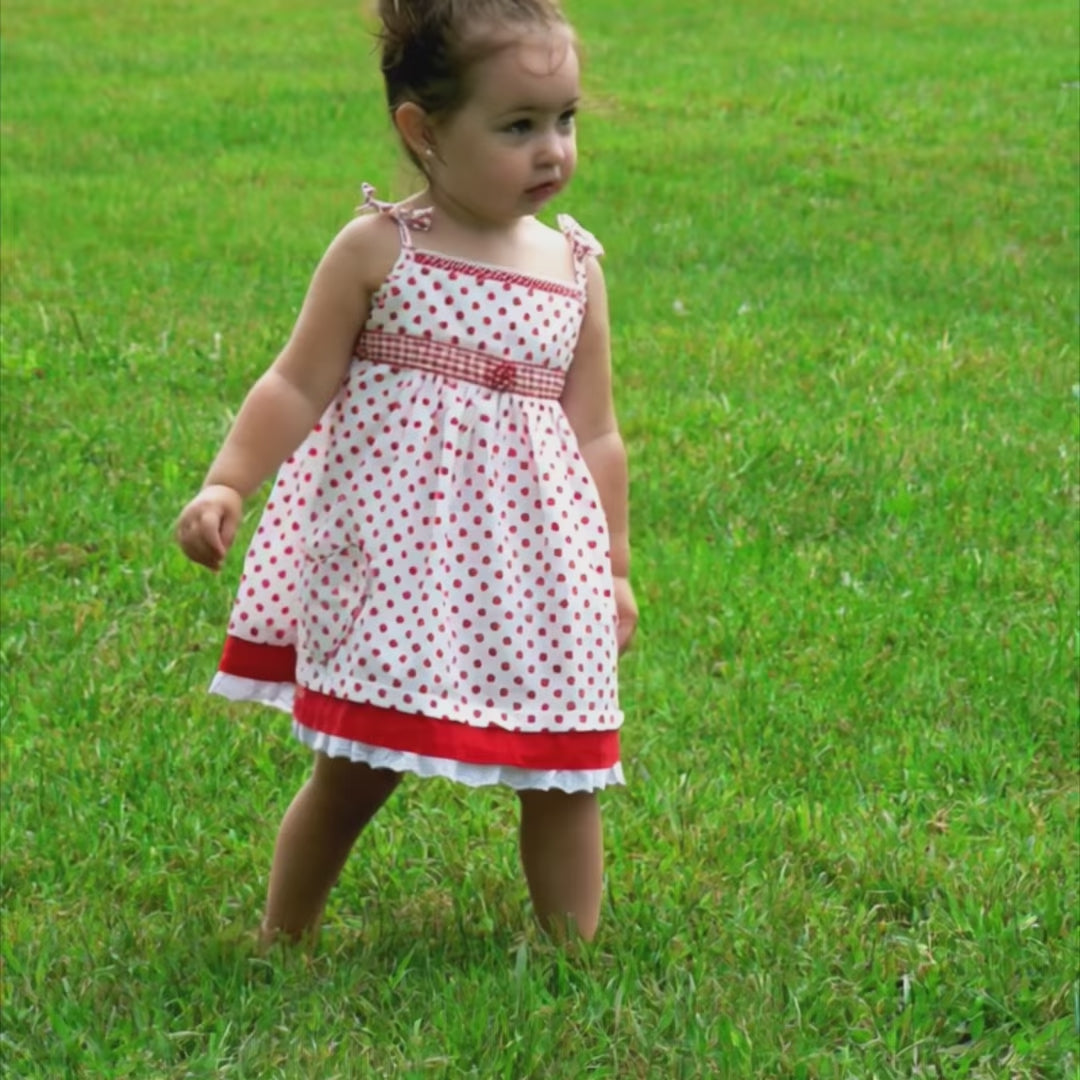
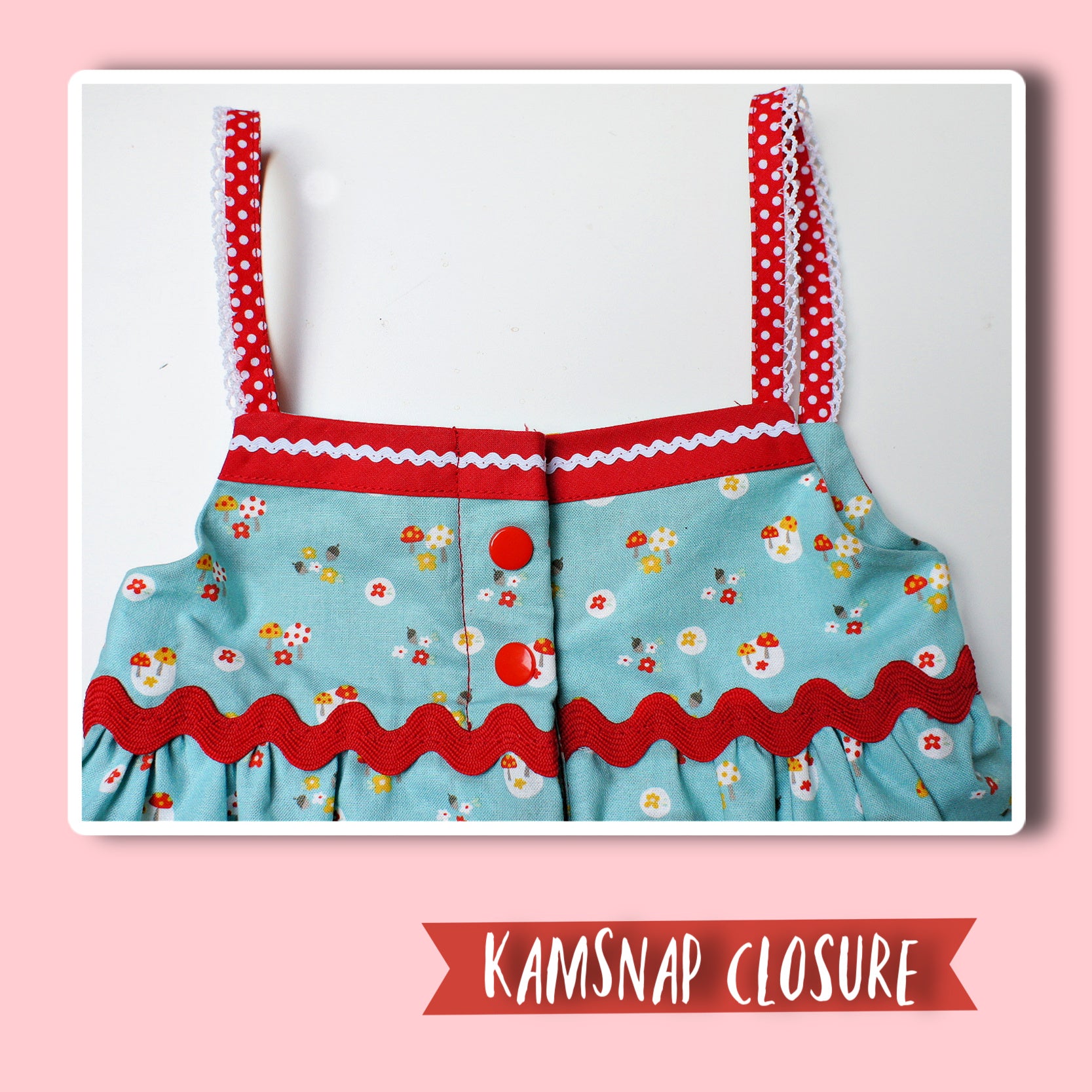
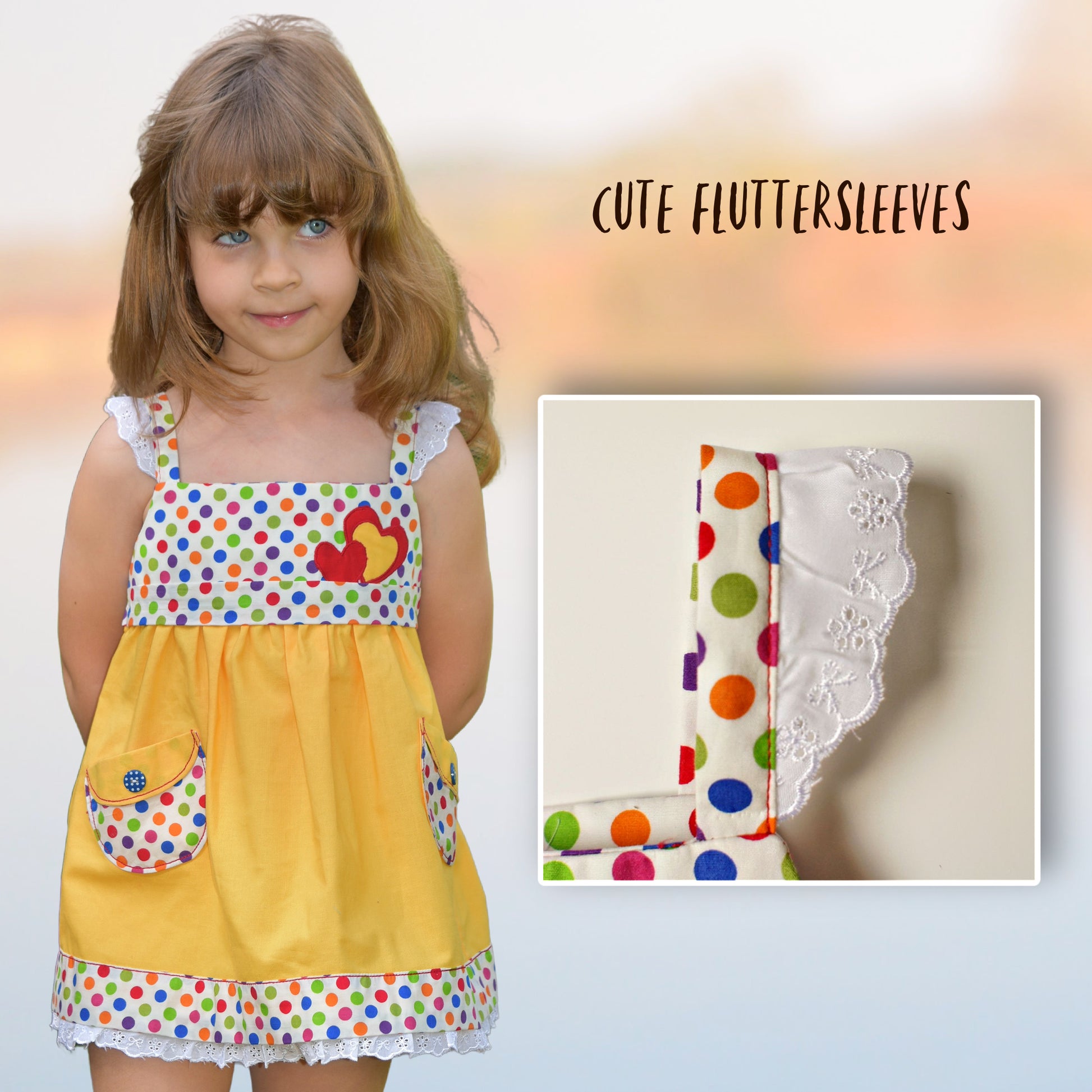
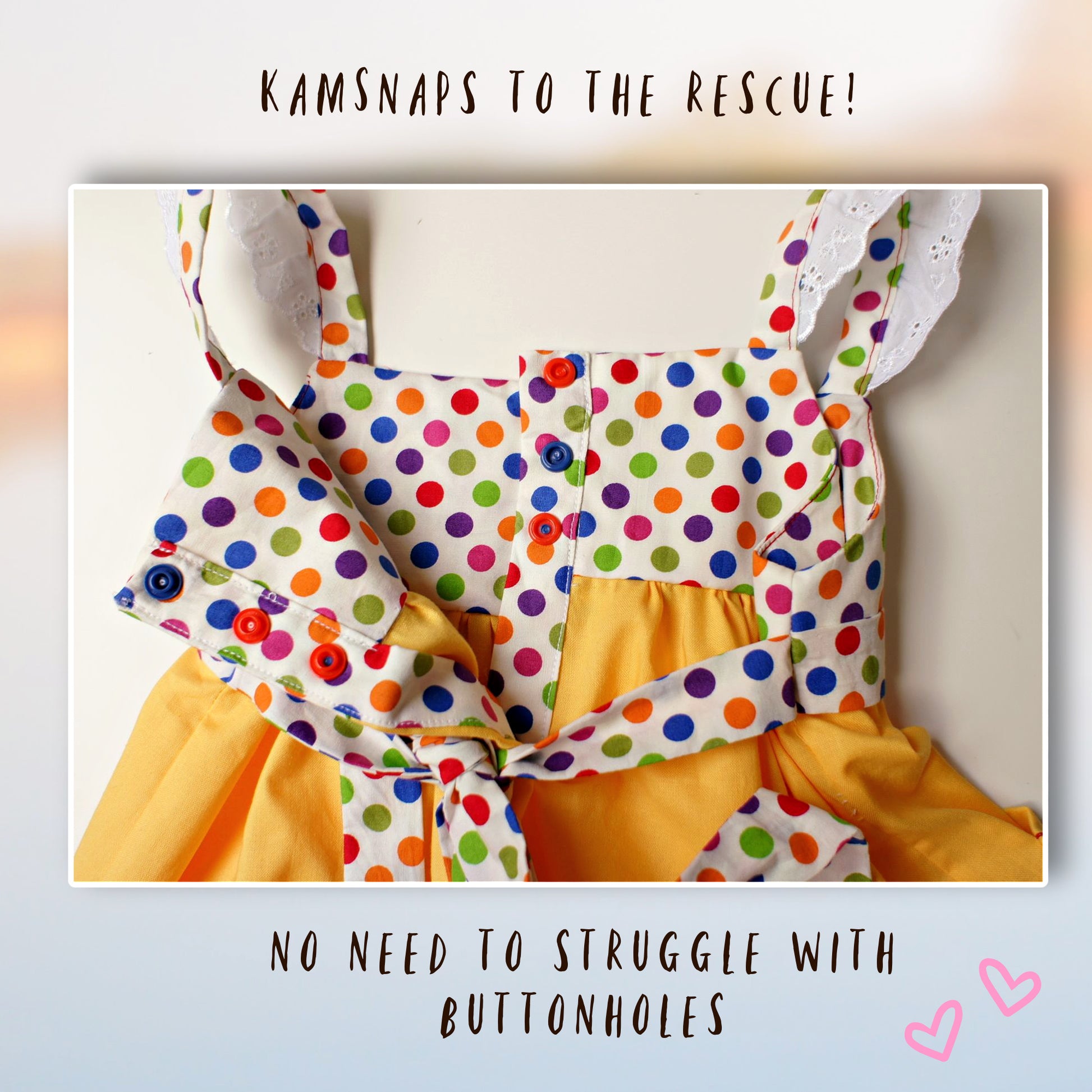
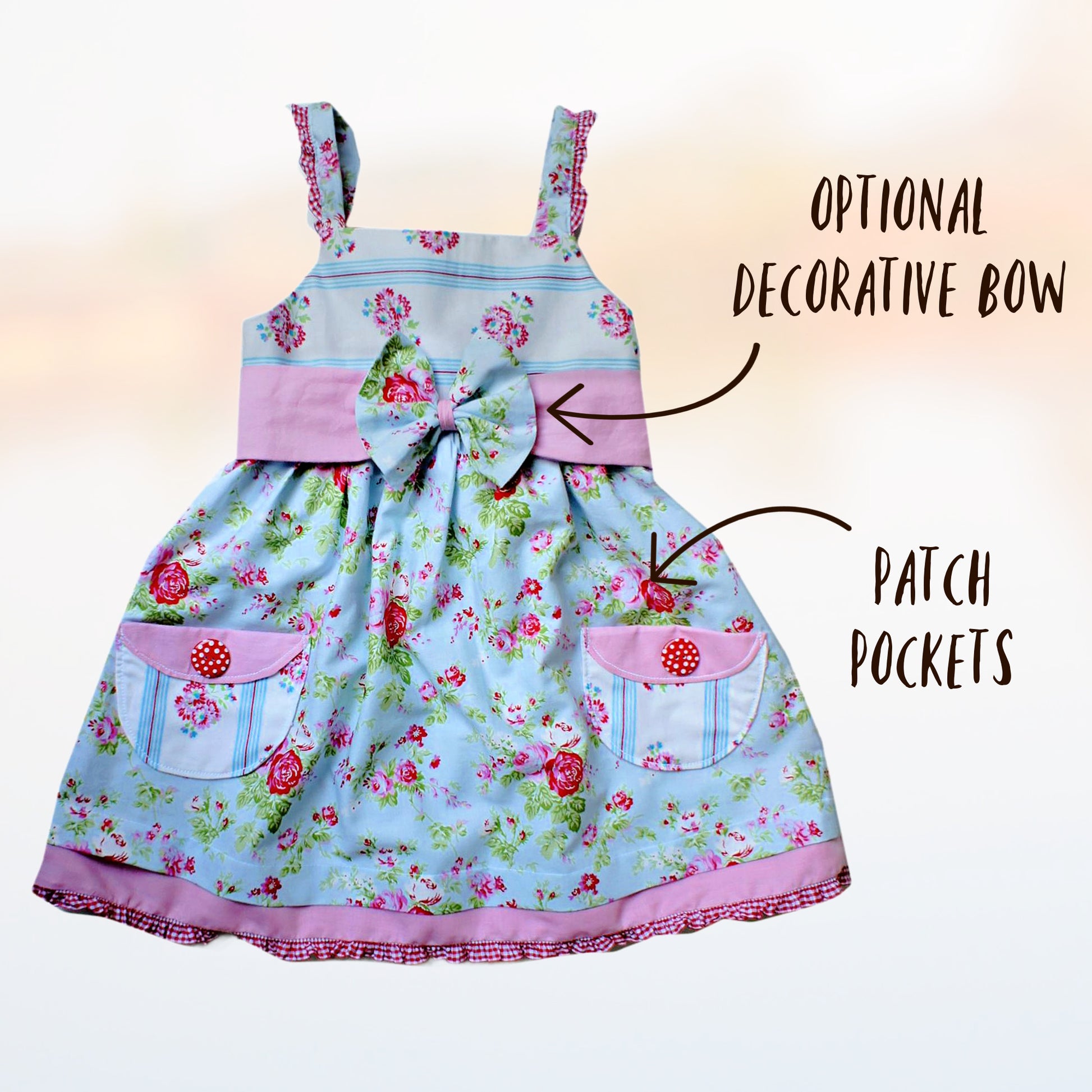
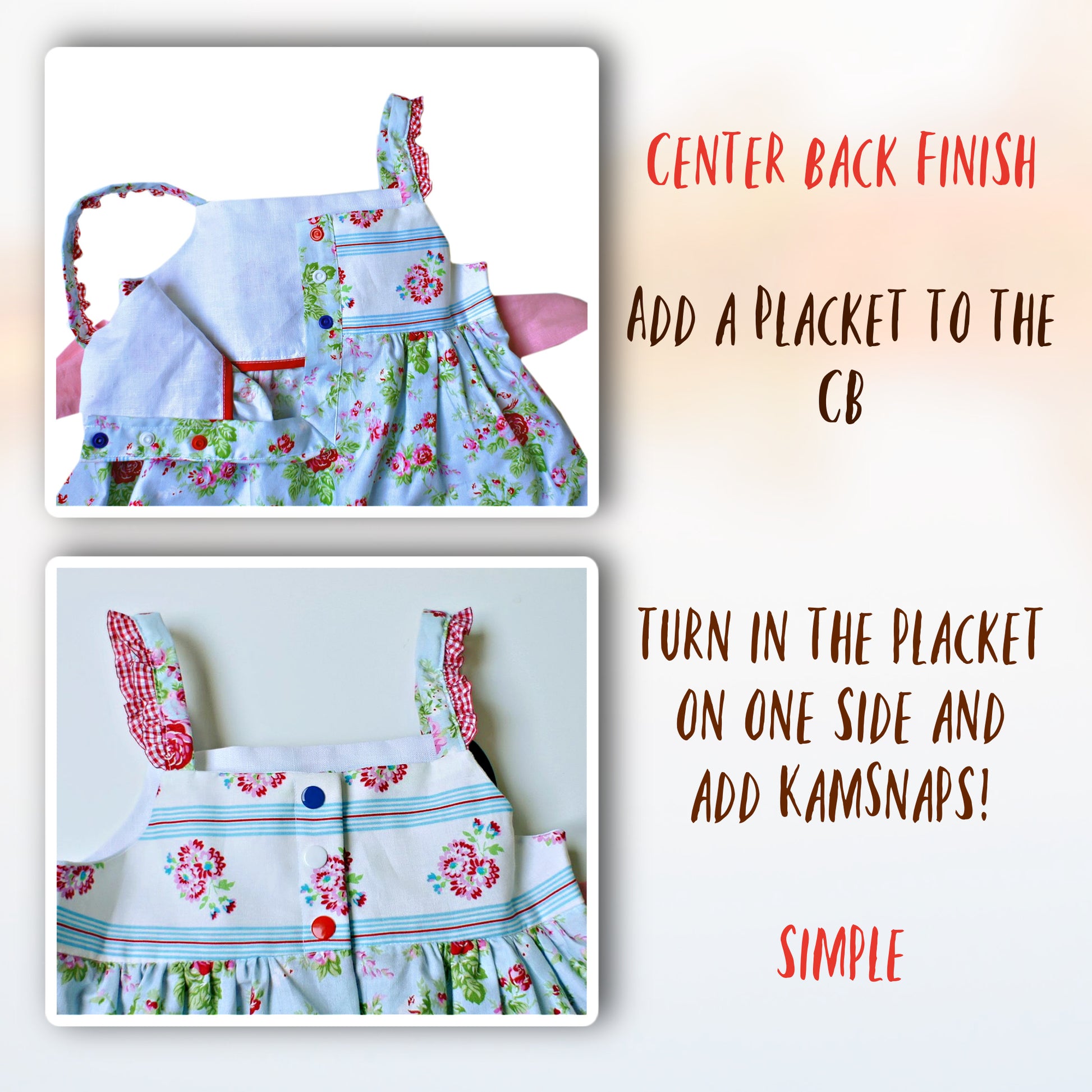
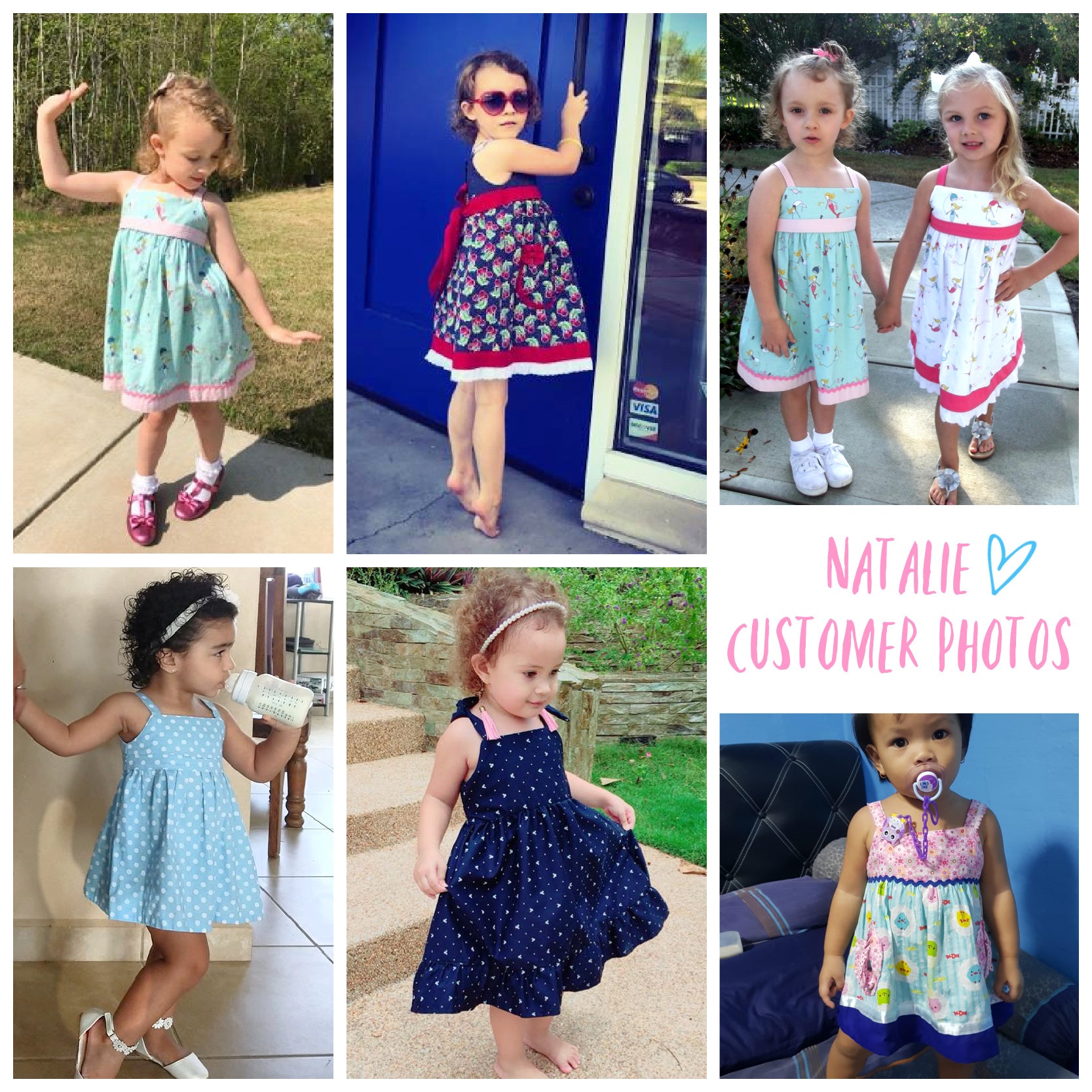
The Natalie Dress is a super‑sweet summer style with a soft empire‑line bodice and a full gathered skirt that’s perfect for twirling. The straps are wonderfully simple when using store‑bought bias binding, and the video also shows you how to cut and sew your own. The back features an easy placket closure with an optional KamSnaps, making dressing quick and fuss‑free.

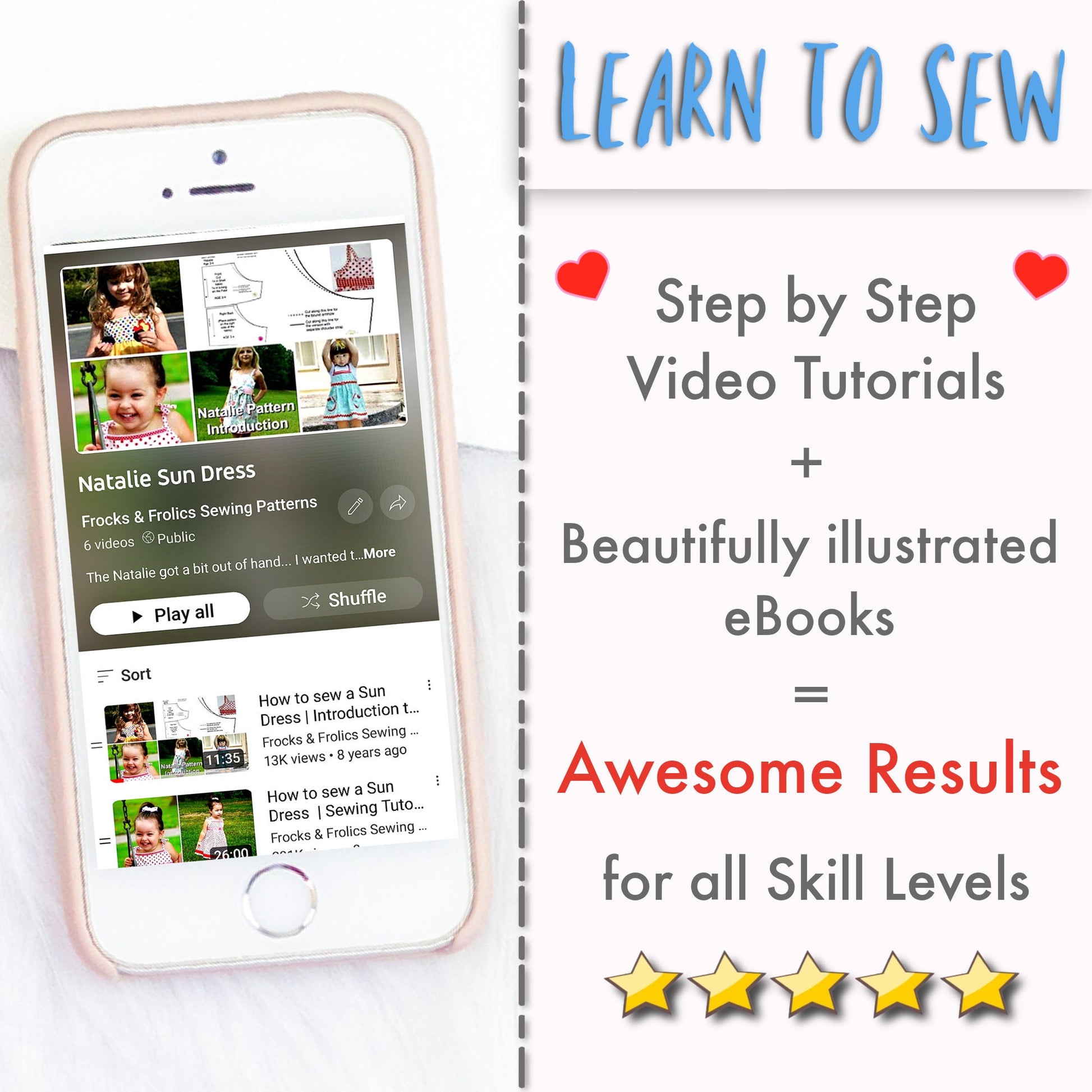
And for extra support, you’ll find a full video tutorial waiting below — scroll down and follow along with Marina, and you’ll see just how easy and enjoyable this pattern is to sew.

Pattern Download Includes

  • Instant Download
  • DIN A4 & US Letter Size
  • Individual PDF files for every Size
  • All Sizes included
  • Detailed eBook
  • Video Tutorials

Design Options

  • High waisted
  • Fully lined bodice
  • KamSnap back closure
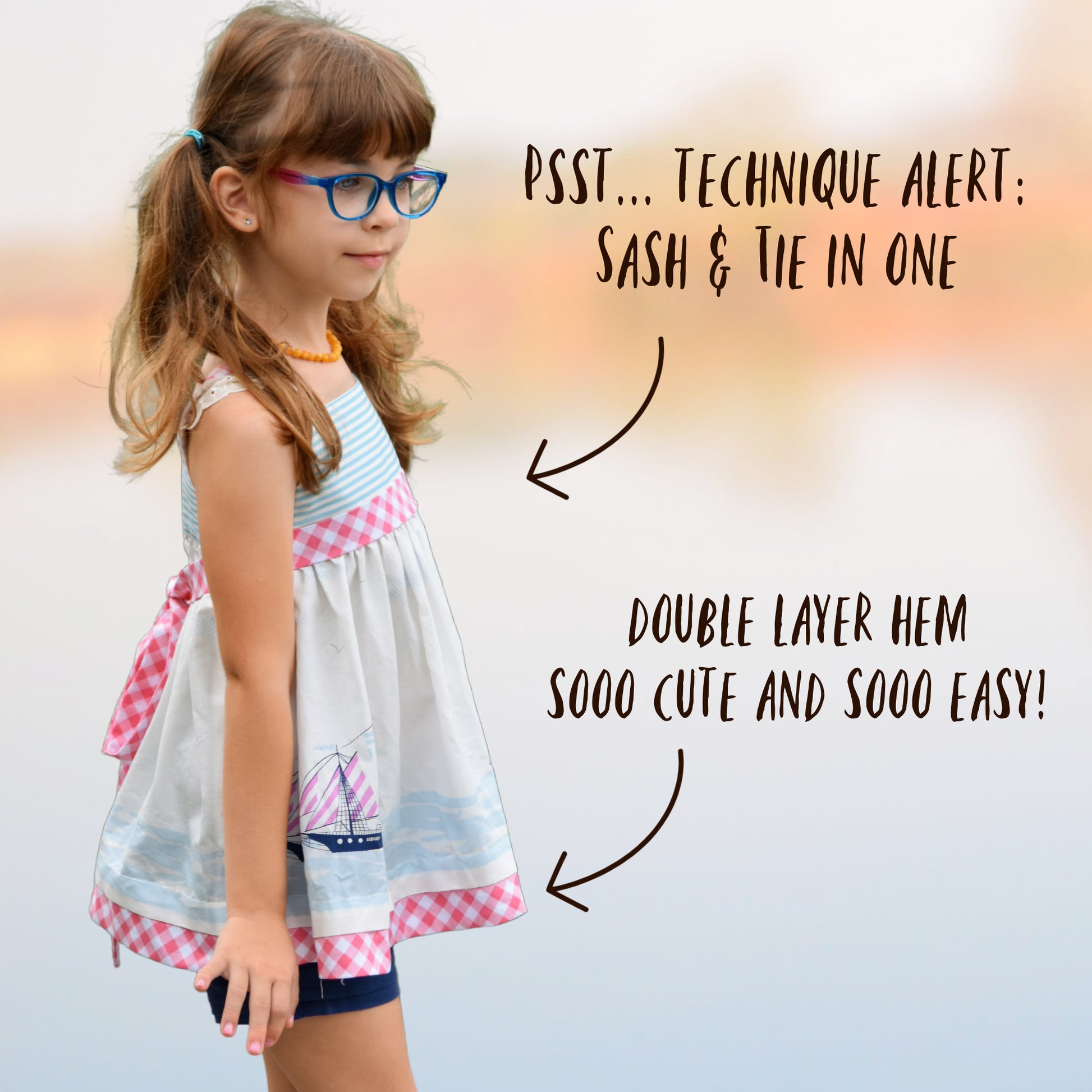
  • Simple sash
  • Front bow feature
  • Flutter sleeves
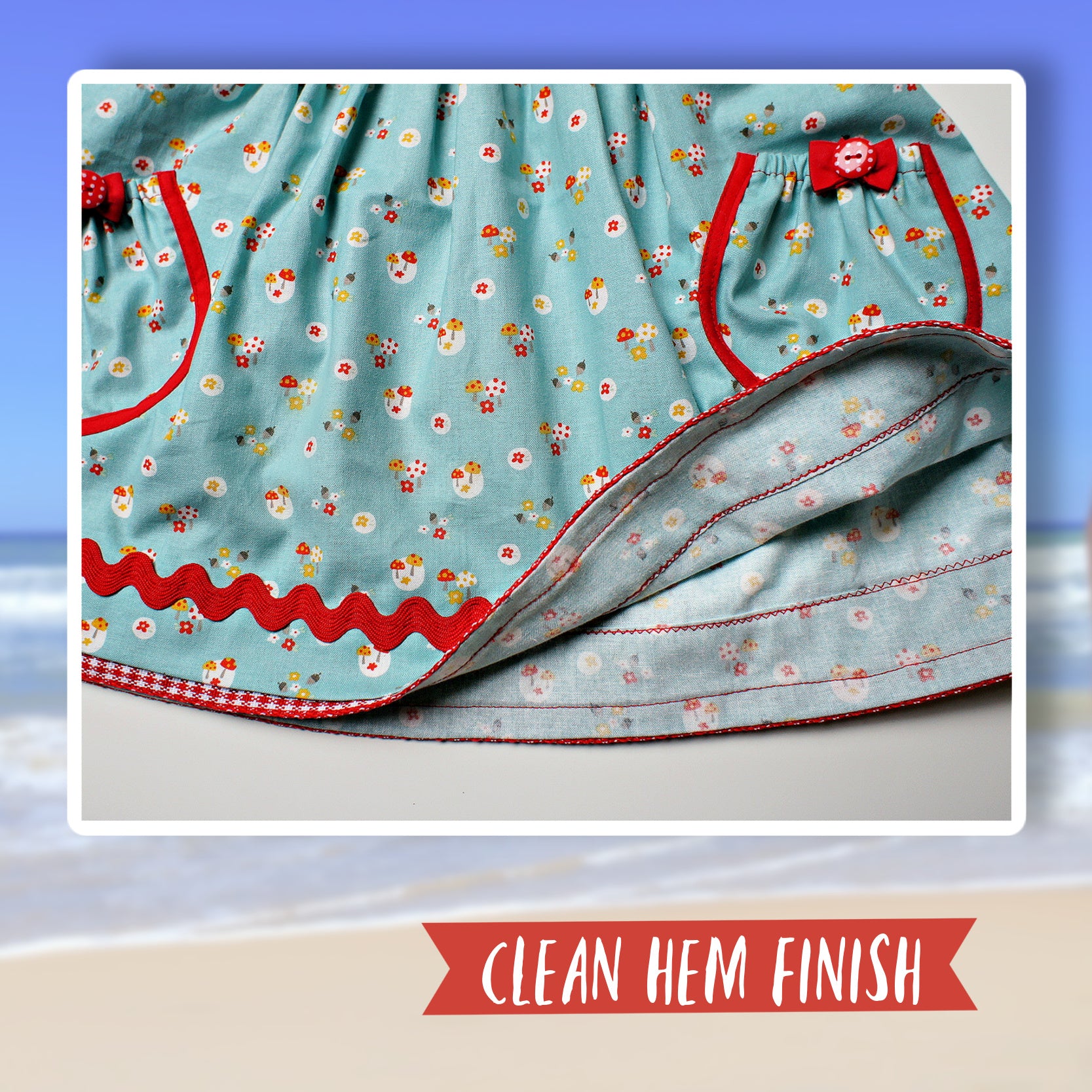
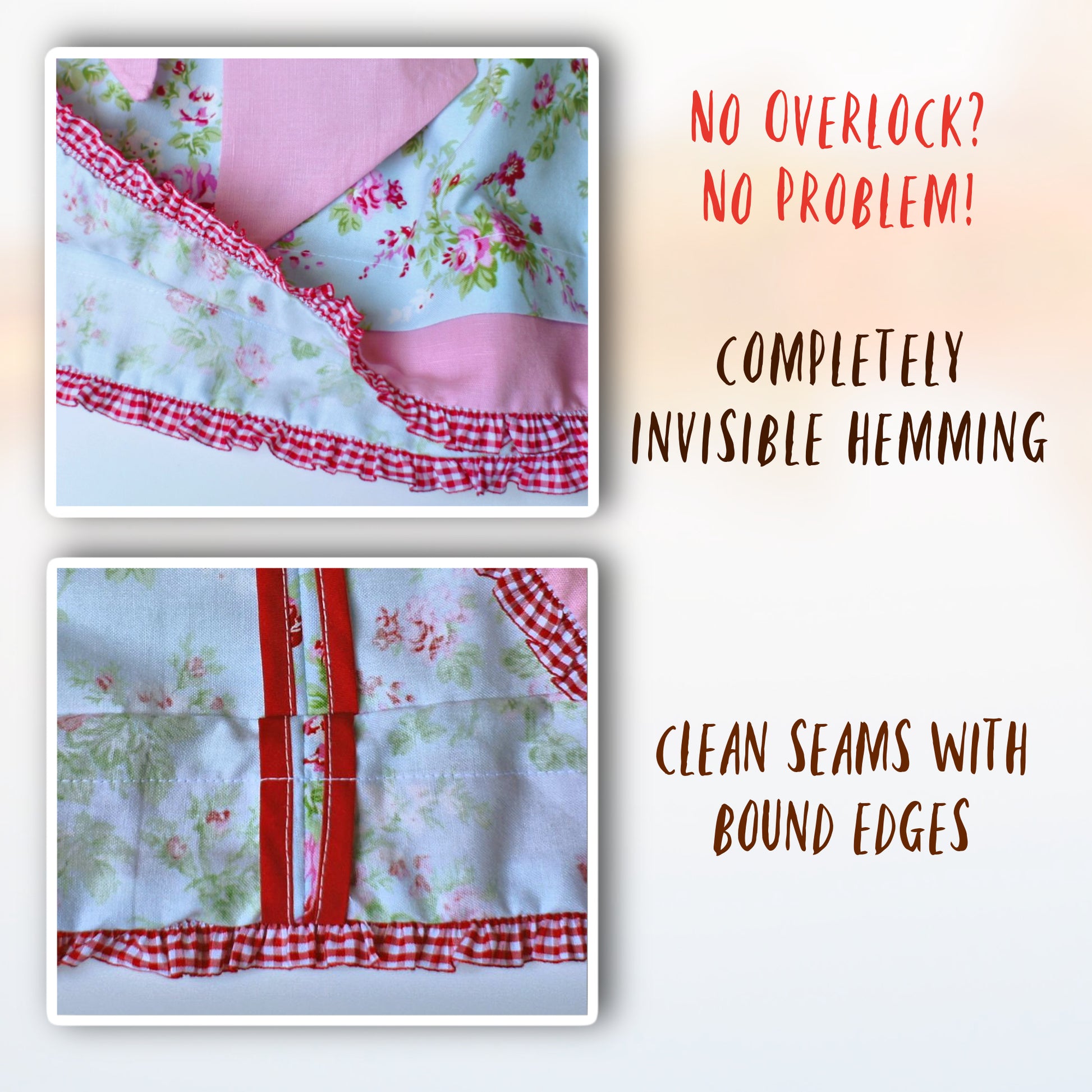
  • Mock petticoat hem finish
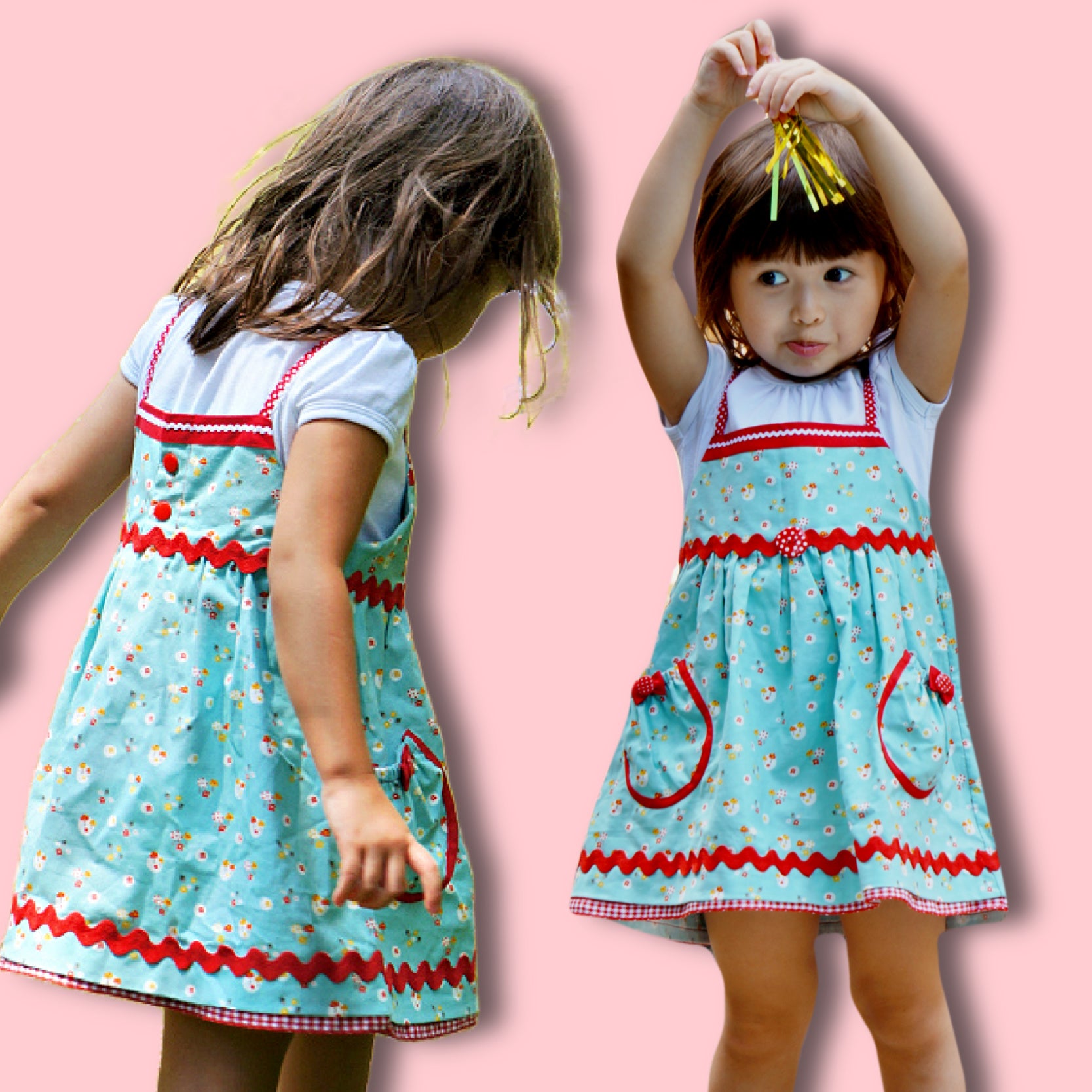
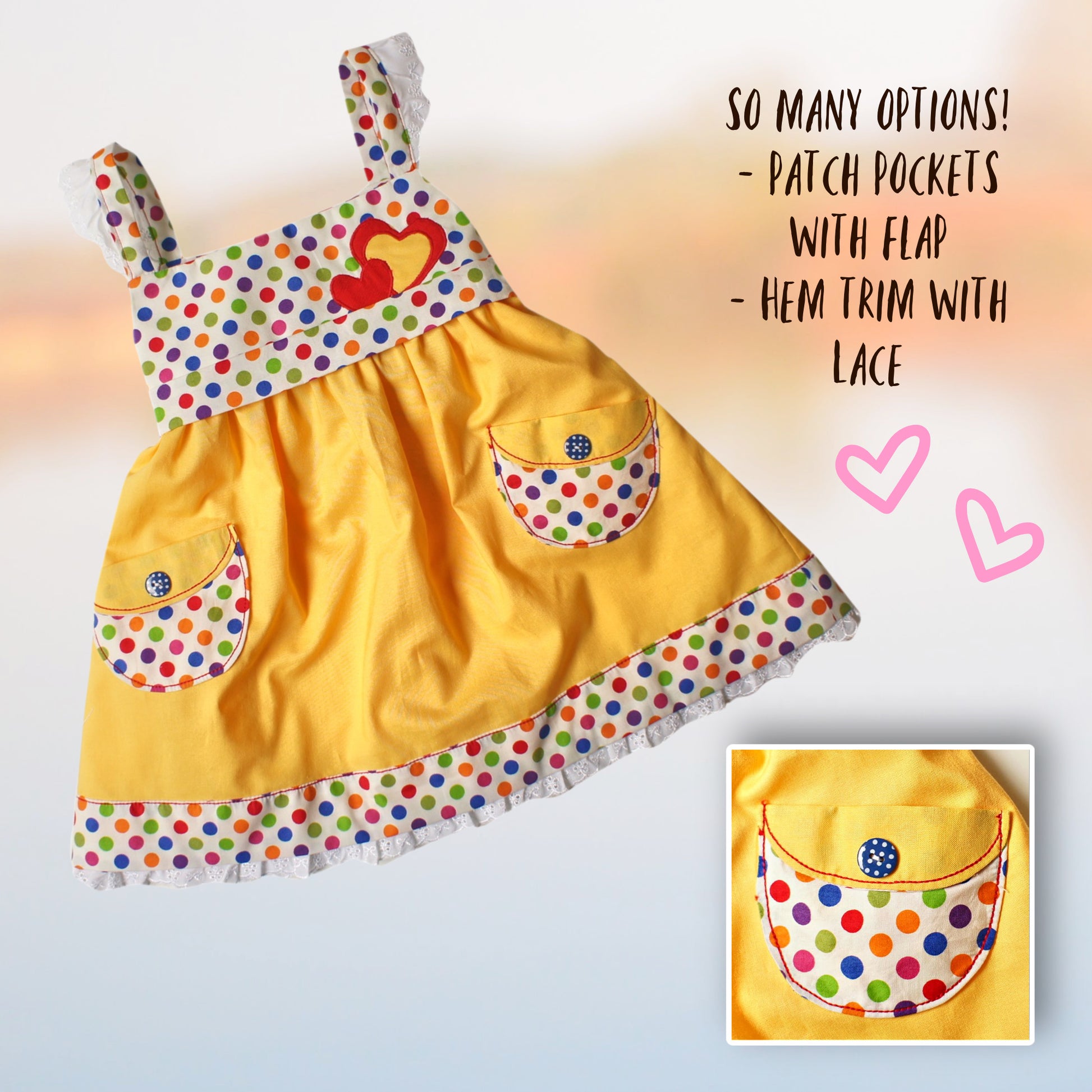
  • Patch pockets

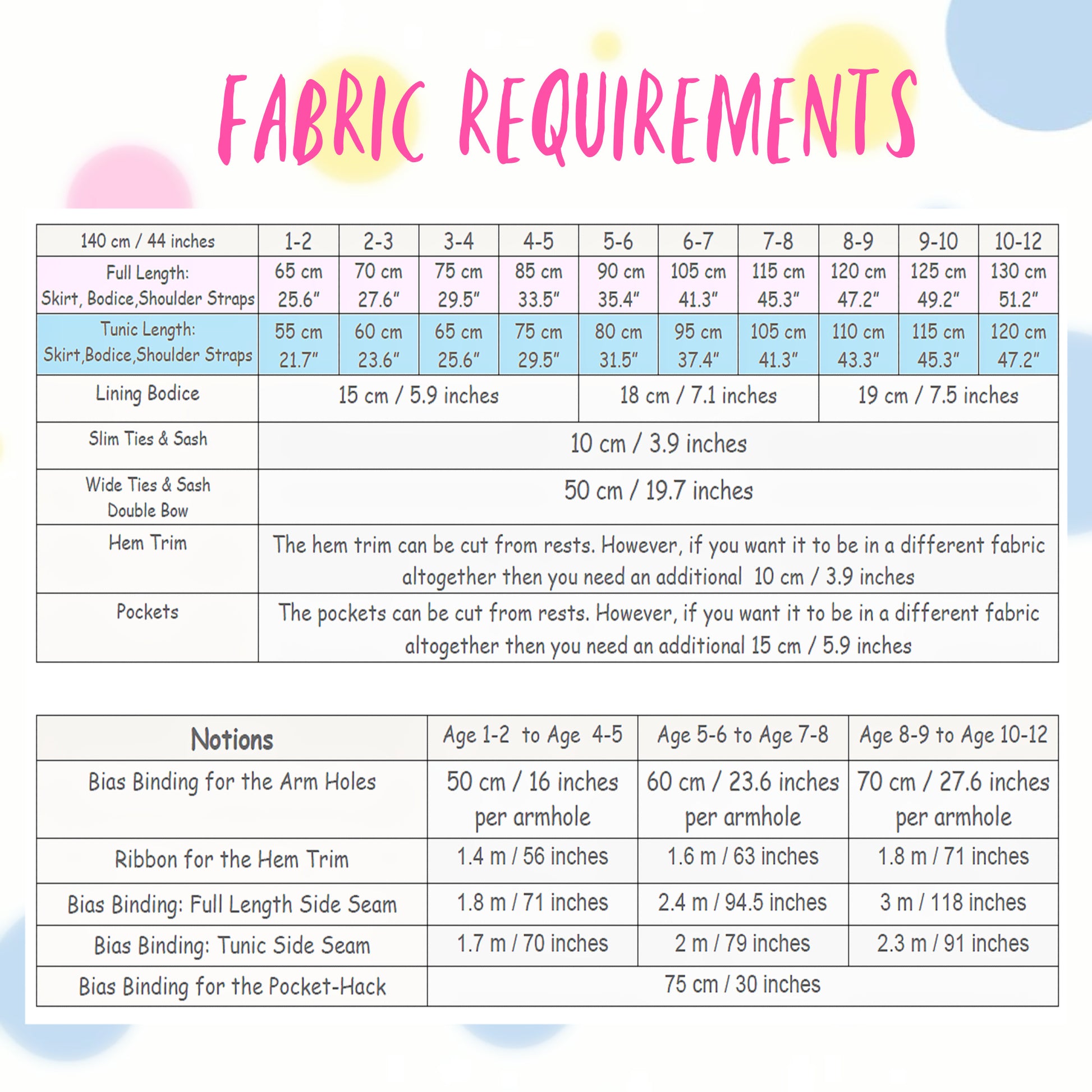
Fabric Requirements

BEST MATERIAL CHOICE
Light weight fabrics in cotton or linen such as cotton lawn, gingham, chambray and printed cotton fabrics.

FABRIC REQUIREMENTS
• Shell Fabric: You will need 24 - 51 inches (60cm-1,3m)
• Sash: 20 inches (50cm)

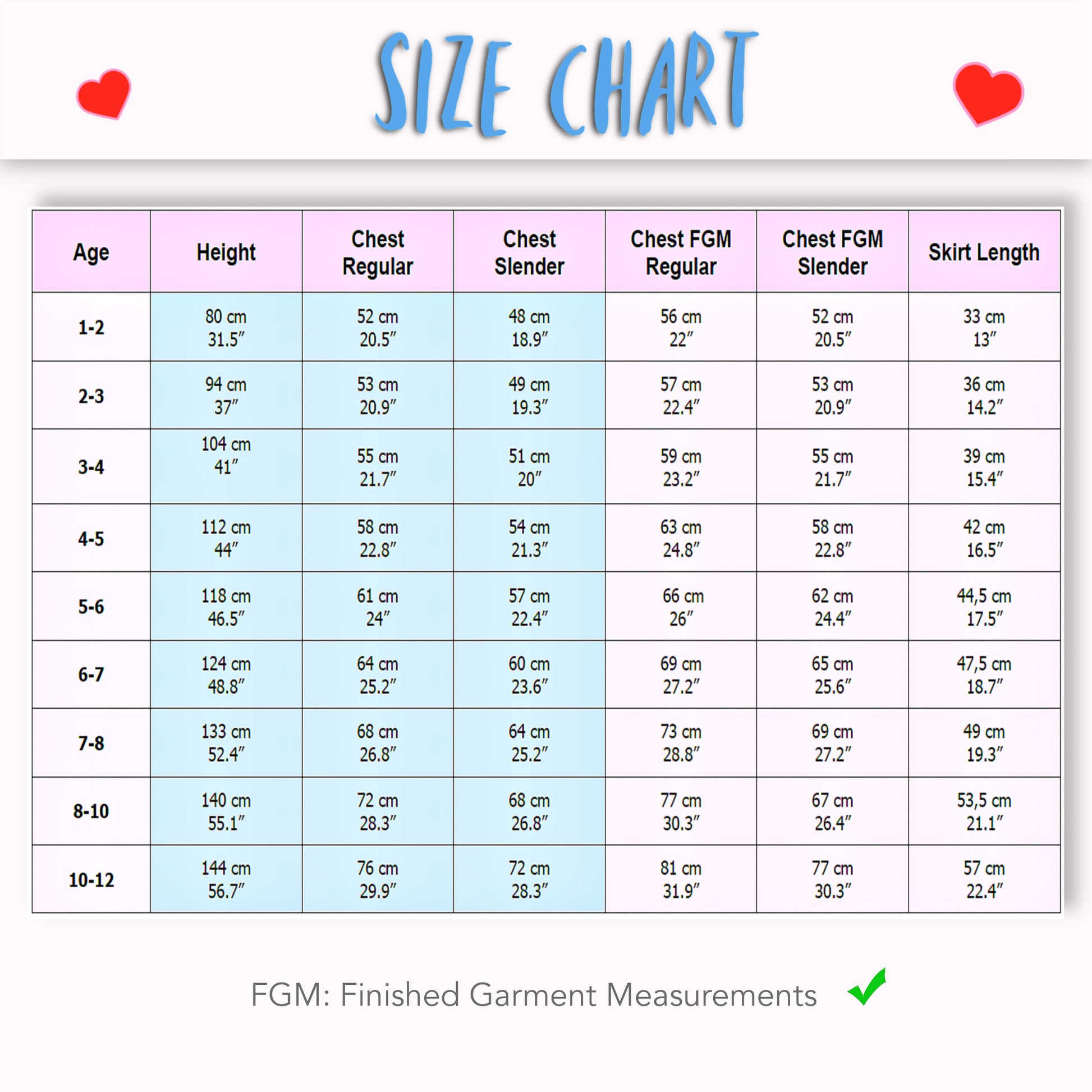
Available Sizes

Sizes: 1-12 Years

Please Read

  1. This is a digital pattern or PDF file, not a physical product. It will be delivered electronically via a download link delivered to the email used for the purchase.
  2. To ensure the pattern prints at its actual size, it's recommended that you use Adobe Acrobat Reader.
  3. The pattern creator, Frocks & Frolics, welcomes small-scale production using their patterns. 

Customers are encouraged to tag Frocks & Frolics when sharing projects made using their patterns on social media.

@frocksandfrolics #frocksandfrolics

View full details

STEP-BY-STEP VIDEO TUTORIALS

Thumbnail
NATALIE: INTRODUCTION TO THE PROJECT
Thumbnail
NATALIE: STEP-BY-STEP TUTORIAL
Thumbnail
BIAS BINDING THE ARMHOLE
Thumbnail
NO SERGER NECESSARY & THE CUTEST POCKETS
Thumbnail
FLUTTER SLEEVES AND NO SERGER NECESSARY
Thumbnail
ROMANTIC VERSION WITH TIE BACKS & FRONT BOW
Thumbnail
NATALIE HACK: SEWING A BOHO DRESS WITH TIERED SKIRT

VIDEO TEXT

Transcript for the video: Natalie Sun Dress - Introduction to the Project

Hi everyone and welcome to the Natalie dress. We’ve got quite a few different methods for this dress, which is why I’ve made five different videos so you can see every variation in detail.

Printing Your Pattern

The first thing you’ll probably do is print off your pattern and attach it. You’ll find instructions included with your pattern pack, covering sizing and basic information.

You’ll also get multiple dress variations:

  • Polka dot version
  • Yellow version
  • Pink and rosy print version

Each variation includes written instructions and relevant links.

Pattern Overview

When you open your pattern, you’ll see a layout plan and individual pattern pieces.

This is not a multi-size pattern. Instead, you receive separate files for different sizes, which makes it easier if you want to make multiple dresses in different sizes.

You get sizes 2 to 6 depending on the file set.

Printing Instructions

Make sure your printer is set to:

  • Actual size
  • Borderless printing

This ensures nothing gets cut off.

Then test the scale. The test square should measure exactly 5 cm.

Pattern Assembly

Assembling the pattern is simple. Align piece A onto B, matching the attachment line.

Depending on size:

  • Smaller sizes: 2 pieces
  • Larger sizes: up to 4 pieces

Once joined, you’ll have a complete pattern piece.

Skirt and Design Options

The skirt pieces are the same across versions, except for design variations like:

  • Back opening slit
  • Pocket styles (Holly pocket or Megan pocket)
  • Different dart widths (wide or slim dart options)

You only need to print the version you plan to use.

Additional Pattern Pieces

You will also have:

  • Tie-back pattern (extend to required length, e.g. 80 cm)
  • Bow variations
  • Shoulder straps (cut on grain or bias depending on design)
  • Bodice fastening strip (cut on the fold)

Arrows indicate direction and grainline.

Design Methods and Construction Options

Now let’s look at different ways to construct the dress.

One popular method is using ribbon instead of traditional seam finishing. This allows for a very clean interior finish, especially if you don’t have an overlocker.

Instead of placing right sides together, you place wrong sides together and cover the seam with ribbon on the outside.

Hem and Finishing Variations

You can finish the hem using:

  • Hem trim strip
  • Rickrack trim
  • Bias binding

Different versions of the dress use different finishing techniques depending on fabric weight and design.

Fastenings

For closures, you can use:

  • Dritz poppers (snap fasteners with four parts)
  • Buttons (optional depending on style)

These are commonly used in ready-to-wear garments and give a professional finish.

Design Examples

Some versions include:

  • Bias-bound armholes
  • Inserted sash at the front seam
  • Lace details on straps
  • Decorative bows made from bias binding with buttons

Heavier fabrics work better with bias binding instead of French seams to avoid bulk.

Fabric Layout and Cutting

When cutting your fabric, always refer to your layout plan.

You can adjust layout for efficiency depending on fabric width. For example, wider fabric allows more economical cutting.

Important rules:

  • Front and back are cut on the fold or as specified
  • Directional prints must be aligned carefully
  • Some pieces must be cut multiple times (e.g. backs, straps, ties, hems)
  • Tie pieces can be adjusted in length depending on preference

If fabric is limited, you can reposition pieces to maximize usage.

Final Notes on Cutting

Always ensure:

  • Grainlines are followed
  • Pattern pieces are not reversed accidentally
  • Required duplicates are cut before starting sewing

Once everything is cut, you are ready to begin construction.

Closing

Thanks very much for watching, and enjoy making your Natalie dress variations.

Transcript for the video: Natalie Sun Dress Step-by-Step Tutorial

Hi everyone and welcome to the Natalie dress. We’ve got quite a few different methods for this dress, which is why I’ve made five different videos so you can see every version in detail.

Printing Your Pattern

The first thing you’re going to do is print off your pattern and attach it to your instructions.

You will receive:

  • Sizing instructions
  • General pattern information
  • Four dress variations

These include:

  • Polka dot version (two pages with links)
  • Yellow version (with links)
  • Pink and rosy print version

Pattern Overview

Your pattern will look like a layout plan with individual pattern pieces.

I don’t use multi-size patterns because I don’t find them very practical, especially if you’re making multiple dresses in different sizes.

Instead, you get separate size files (sizes 2 to 6).

Printing Instructions

Set your printer to:

  • Actual size
  • Borderless

This ensures nothing is cut off.

Then test the scale. It should measure exactly 5 cm.

Pattern Assembly

To assemble:

  • Align piece A onto B, covering the attachment line
  • Continue joining pieces depending on size
  • Smaller sizes: 2 pieces
  • Larger sizes: up to 4 pieces

Once joined, you will have a complete pattern piece.

Skirt and Design Options

The skirt pieces are identical in shape, but differ in construction options such as:

  • Back opening slit
  • Pocket styles (Holly pocket or Megan pocket)
  • Dart widths (wide or slim dart options)

Only print the version you intend to use.

Additional Pattern Pieces

You will also find:

  • Tie-back pattern (extend to required width, e.g. 80 cm)
  • Bow options
  • Shoulder straps (cut straight or on bias depending on design)
  • Bodice fastening strip (cut on the fold)

Arrows indicate grain direction and cutting instructions.

Construction Methods and Variations

Now let’s look at the different ways to make this dress.

One option is using ribbon instead of traditional seam finishing. This gives a very clean inside finish, especially if you don’t have an overlocker.

Instead of sewing right sides together, you place wrong sides together and cover the seam with ribbon on the outside.

Hem and Finishing Options

Different versions use different finishes, including:

  • Hem trim strip
  • Rickrack trim
  • Bias binding

These change the look and suit different fabrics.

Fastening Options

For closures, you can use:

  • Dritz poppers (snap fasteners)
  • Buttons

These are commonly used in garment construction and give a secure finish.

Design Examples

Different dress versions include:

  • Bias-bound armholes
  • Sash inserted into seam
  • Lace shoulder straps
  • Decorative bows made from bias binding

Heavier fabrics are best finished with bias binding instead of French seams to reduce bulk.

Fabric Layout and Cutting

When cutting fabric, always follow your layout plan.

You may need to adjust placement depending on fabric width to maximize efficiency.

Key points:

  • Front and back can be placed on fold or side layout depending on fabric
  • Directional prints must be carefully aligned
  • Some pieces must be cut multiple times (backs, straps, ties, hem trims)
  • Tie lengths can be adjusted to preference

You can also reposition pieces to reduce fabric waste.

Final Cutting Notes

Before sewing, ensure:

  • Grainlines are correct
  • Required duplicate pieces are cut
  • You only print the version you need to avoid confusion

Once everything is cut out, you’re ready to begin construction.

Closing

Thanks very much for watching, and enjoy making your Natalie dress.

Transcript for the video: Natalie Sun Dress - Bias Binding the Armhole

On this video we’re working with a Natalie dress again, but this time it’s got bias binding for the armholes.

Cutting the Pattern

If you’re cutting out your pattern, you want to cut out the bodice where the dashed line is.

Bodice Construction (Top First)

We work exactly the same way as usual. We take the right side facing down, so right sides are on the inside of the bodice, but we are stitching across the top instead of the armhole first.

Once I’ve stitched across the top, I can under stitch my lining, and that means I’m moving my seam allowance towards the lining so that gives me a really lovely edge. You could also, if you’d like to, of course put some binding on the top edge.

Side Seams

Now I want to close my side seams. Flip the backs over onto the front and pin both sides.

Then I’m going to do the same with the lining. I’m going to pin those and I’m also going to sew them all with a one centimeter seam allowance.

Stay Stitching

Now I’ve done this, I’m going to put a stay stitch around the armhole and another holding stitch along the bottom.

Applying Bias Binding

Next I’m going to put my bias binding on. I’m going to pin the bias binding to the wrong side first with a little bit of tension, starting from the underarm seam and up like this.

Then I’m going to stitch it in exactly where the fabric fold is, so all the way along.

Now I can cut my seam allowance back a little bit so that I can roll the bias binding over so it sits really neatly.

I do exactly that. I roll it over and I pin it all the way to the top. The key is to just about cover that stitching line that you’ve now got.

At the top you want to fold in the ends so that they’re not rough and put a pin there as well.

Topstitching the Bias Binding

Then we can top stitch this.

When you start topstitching across the top here on the sewing machine, it usually just eats the fabric. If you put a bit of tissue paper underneath it and you sew that for the beginning then it won’t do that and it transports beautifully.

So sew the bias binding shut in the area of the tie, and as you come into the actual armhole make sure that it covers the stitching line. You don’t want that to show, and that will also give you the perfect width.

Finishing

Now we’ve done this, we can remove our paper, just rip it off. You only need two layers, I don’t know, I went a bit overboard. Two or even one layer is usually enough.

And you can tie them, and that’s basically it.

Final Note

The rest of the dress is then made like the standard version, which is also in the red polka dots. So you can now click on the link and go to that to see how the skirt is made, the fastening etc., and also you can visit the project page to see what else you could do with this particular design.

Thank you very much for watching.

Transcript for the video: Natalie Sun Dress - No Serger Necessary & The Cutest Pockets

Hi, this is the very last of the Natalie dresses. Got rick rack at the waist and a different pocket. Again, you can make it out of any printed cotton. I’m using rick rack at the waist. You can use on the inside, of course, a contrast fabric. And again, we’re using the baby bow boutique fasteners to close the dress.

Bodice Construction with Bias Binding Finish

What I’ve done here is I’ve used bias binding, ironed out one side to bring it actually onto the top of my bodice.

So first of all, where I’ve ironed it flat, I stitch that into place. Then I stitch on the other side where I’ve got obviously the fold. And then the last time I go over, I just go through the middle and I’ve changed my color there to white. And then I’ve got a really nice finish at the top as well.

Then you repeat that stage if you like on the back, so you’ve got a really nice front and back.

Lining and Armhole Construction

Then we’re going to put the lining and we’re closing the armhole. Got a 1 cm seam allowance here, which is typically the first line next to your presser foot.

Shoulder Straps

For the shorter strap, I’m using a pre-ironed bit of bias binding which also got lace on the edge. That needs to be stitched down first and then I can insert it into the front and the back.

The key to inserting these is to get them right into the edge, meaning where the 1 cm seam allowance would be. That’s down so it’s right in the corner and it ends up sitting right in the edge when you’re finished.

You sew across the top and you’ve got your pieces inserted.

Side Seams

Then you do the side seam. Open out the whole lot and sew from one end to the other. Then you have closed your seams and the bodice is finished.

Pocket Construction (Megan Pocket Variation)

Now we’re going to do the pocket.

You need any sort of elastic, slim elastic. I’m using an elastic and the Megan pocket, which I just cut straight up instead of round.

Fold it in and in again, making sure the width is correct for your elastic. Stitch along the edge, really close to the edge, just to hold it.

Take a safety pin, put the elastic on there, and then go all the way through to the other side and pull.

When you’re happy with the amount you’ve pulled, cut off the elastic. Then stitch it into place in two places. That’s really important because it can slip out.

Cut off the rest of the elastic.

Binding the Pocket

Now we’re ready to bind it.

Take some pre-prepared binding and fold it over with a longer side underneath it. Then bind it all the way around.

Start sewing the binding together first for about 1 to 1.5 cm. Then push in your pocket all the way around, stitching neatly close to the edge until you get to the other side.

Go over about 1.5 to 2 cm. Then cut them back and turn them in.

Pocket Placement

Place the pocket on the front where you want it to be, bearing in mind you have a pleat at the bottom.

Here I use 6 inches and 1.5 inches from the side.

Position your pocket, pin it into place, and tuck in the ends of your bias binding.

To position the other pocket, put it upside down on top and fold over your fabric. Pin it really well. Fold it back out and your pocket will be in perfect position.

Stitching the Pocket

Stitch around the pocket close to the edge.

Come up the pocket first so you’re catching your bias binding which you’ve tacked in. Go across with needle down, turn, and continue all the way around very close to the edge.

At the end, do the same again—needle down, turn, sew across, turn again, then sew down and secure.

French Seam Construction

Now we’re going to do a French seam.

Place the back behind it with wrong sides inside and right sides outside. Stitch with about 4–5 mm seam allowance.

Cut back seam allowance to 2–3 mm.

Turn it, grab the seam, and sew again from the outside all the way down. This gives a clean finish inside and out.

Skirt Gathers and Ribbon Waist

Next we put gather threads into the skirt—two rows, presser foot width apart.

Now we put on our ribbon. The ribbon rolls to the outside, so sew it on from the wrong side, just catching it lightly.

Go all the way around, tuck in the end, then stitch across.

Then roll it up and stitch the second line at the top so it sits neatly.

Rick Rack Waist Detail

Next we add the rick rack.

Iron up the hem (about 3 inches), pin so it just covers the ribbon, and secure it.

Then stitch a guide line on the inside so you know where to place the rick rack.

Place rick rack over the guideline and stitch it down following the line.

Attaching Bodice to Skirt

Mark the center of the bodice.

Distribute gathers evenly and pin them.

Sew the bodice to the skirt along the center of the gathered section.

Then remove gather threads and turn seam allowance inward.

Applying Rick Rack Over Seam

Place rick rack over the seam allowance and either zigzag or small stitch across it.

This can be decorative zigzag or tight topstitching—both work.

Fastening (Boutique Popper Closure)

Prepare fastening strip by folding edges in and ironing.

Attach from the inside so it rolls to the outside.

Sew along 1 cm seam allowance at the top, tapering down to about 2 mm at the tip.

Pin very securely.

Stitch carefully—follow seam allowance, reduce stitch length at the tip, and reinforce with backstitching.

Finishing the Fastening Edge

Cut back bulk at the top if needed.

Fold seam allowances together, stitch across top for a neat finish, then turn and press.

Pin so it just covers the stitching line and topstitch close to edge.

Add a triangular reinforcement at the bottom and stitch across.

Installing Popper Fasteners

Use baby snap poppers.

Avoid too many fabric layers—go through only necessary layers.

Attach each side of the popper using the tool and press firmly.

Sew down reinforcement stitching along the fastening edge using a zipper foot if needed.

Bow Decoration

Make bow from bias binding strips (about 3 inches long).

Fold, stitch, turn, and press.

Gather through center with running stitches, wrap thread, and attach button over the top.

Stitch bow onto dress and secure firmly.

Final Result

You now have a completed Natalie dress with:

  • Rick rack waist detail
  • Decorative pocket variation
  • Bias binding finishing
  • Clean professional fastening
  • Decorative bow

Thank you very much for watching.

Transcript for the video: Natalie Sun Dress - Flutter Sleeves & No Serger Necessary

This video gives you a very quick run through of the techniques that we’re using to make this dress. It is not the base video—if you want to watch that then please go to the Natalie sundress video you can find on my project page.

On this one I’ll be showing you how to do the tie backs, the Megan pockets, shoulder straps with a lace insert. We’re going to work with French seams again and of course I’m going to show you how to put the poppers into the back.

Shoulder Straps with Lace Insert

The first thing we will do to make sure that the lace sits in there nicely is to iron over a shoulder strap so one is slightly shorter than the other.

When we insert the lace, we’re going to insert it 1 cm up so that we have our seam allowance. You basically just stick it in at an angle and then you find your middle and insert the lace to the middle. Just fold over the other bit and it should be fine.

At the end you want to fold over your lace so you get a nice pleat so the lace runs into the shoulder strap. It’s a 1 cm seam allowance. Cut that pleat and then just sew all the way to the end.

Megan Pocket Construction

Next we’re going to make our Megan pockets.

First of all, you put the right sides together of your fabric so you’ve got a lining and a shell fabric. Sew all the way around but leave a turning gap on one of the straight areas.

Make sure you cut all the seam allowances back neatly. Turn your pocket inside out, then fold it over and iron it.

In the area that is ironed down, we’re going to triple stitch all the way around the pocket.

Now we’re going to put the pocket onto the skirt. Just sew around here with a triple stitch and the pockets are done.

Gather Threads (Front & Back Skirt)

Next, put gather threads in both the front and the back.

Go about half a presser foot width away from the edge, then another presser foot width away from the stitching line using the biggest stitch on your machine.

Do this on both front and back.

Tie Backs

Now we’re going to work our tie backs.

Fold them in half, sew a tip into the end, and cut back. Then use a pen or safety pin to turn it through.

Push it through carefully, make sure the pin doesn’t open up. Once turned, move out all your edges and give it a good press.

Set that aside.

Attaching Skirt to Bodice

Now we attach the skirt to the upper bodice.

If you want to know how the bodice is made, check the base video.

Fold over the waistband in half and attach it to the upper layer, then fold it out so you get a clean waistband with no visible seam.

Pin it to the top of the bodice and mark the center.

Now place your front skirt right sides down and pin through just the top layer.

Pull gather threads and distribute evenly, then pin across so it sits neatly. Repeat the same on the back.

Sew using a 1 cm seam allowance on all three seams.

Then open out your waistband and pin both sides.

French Seam Construction

Next we make a French seam.

You could bind the edges instead, but here we’re doing French seams.

With wrong sides together, sew half a presser foot width, then cut back seam allowance.

Now place the tie down next to the seam and stitch it in securely.

Complete the French seam from the other side.

If it’s bulky, snip or ease open the seam at the top for a flatter finish.

Then turn everything in so seam allowances face inward, pin, and slip stitch by hand.

Back Fastening (Boutique Snaps)

Now we add the fastening.

Start your binding 1 cm above the end. Pin and sew from the shell fabric side.

At the tip, taper the seam so only a couple of mm are caught. Use a short stitch length or backstitch in this area.

Fold back the binding, open the seam, and stitch straight across.

Cut off excess, tuck in neatly, and pin all the way across.

Topstitch very close to the edge.

Then fold the left side over and stitch down to the waist.

Installing Snap Fasteners

We use Babyville Boutique snaps.

Mark top, bottom, and center positions.

Use the tool to pierce through layers and attach the snap parts—flat base on one side, raised ring on the other.

Press firmly to secure.

Repeat for all closures.

Hem Trim with Lace

Now we attach the hem trim. We place right sides facing together, matching lace to hem trim first. Maintain a 1 cm seam allowance. Fold lace over neatly so it sits cleanly.

Then place right side of trim onto wrong side of skirt so it will roll correctly when finished.

Pin all the way around and stitch along the same seam line.

Iron seam allowances open, then fold up and pin.

Finish with triple stitch all the way around.

Final Result

You now have a fully finished Natalie sundress featuring:

  • Lace shoulder strap detail
  • Megan pocket construction
  • French seams
  • Gathered skirt
  • Clean waistband finish
  • Snap fastening
  • Lace hem trim

And the inside looks as clean as the outside.

Thank you very much for watching, and I’ll see you next time.

Transcript for the video: Natalie Sun Dress - Romantic Version with Tie Backs & Front Bow

Introduction & Materials Overview

Welcome to one of the other variations of the Natalie dress. In this particular video, we are going to insert a gathered ribbon and the baby verve snap fastening. We're going to bind the seams with ready made bias tape and also we're doing the ruffle hem and the Megan pocket. The settings for your printer would have to be actual size and borderless and we're cutting the solid line for this particular pattern. The test scale should measure 5 cm exactly. You will need the back fastening. You will also need two shoulder straps. Then we've got the bodice, which I cut twice, a white lining, and the outside, the skirt, of course. The Megan pockets which I've also interlined with white so that the pink doesn't show through when you're sewing it. You've got two hem trims. I've got a pink linen here and a rather big tie and sash for the front which again I would interline but not so thick as I've done it here. Bit too thick that stuff. So lighter white cotton or some iron-on interfacing will do to create this beautiful bow sash in the front. You've got a center of the bow as well. And then we've got the tie bags…

Bodice Construction & Armhole Finish

We begin by making the bodice. Put the lining over the top. With right sides facing, pin the armhole and sew with a 1 cm seam allowance. Keep the needle down when turning corners and follow the seam allowance carefully. Trim back seam allowance to 3–4 mm (no need to clip). Press the seam open. You may let a little white show or keep it aligned exactly. Avoid under stitching here because it will make inserting straps harder.

Shoulder Straps with Ribbon Insertion

Take your gathered ribbon and shoulder strap. Fold strap in half, then fold edges toward the center and slightly offset one side. Insert ribbon with right side facing up, 1 cm above the crease line. Stitch carefully along the crease, keeping alignment accurate. Wrap the ribbon over and secure both sides so it is fully enclosed.

Attaching Shoulder Straps to Bodice

Place bodice right side up. Position straps into the corners, 1 cm down from the top edge. Use two pins to prevent shifting. Turn bodice inside out to sandwich straps between layers. Stitch straight across with a 1 cm seam allowance. Repeat for back straps. Press well after stitching.

Bow Sash & Ties Construction

Fold ties in half, stitch, and turn through. Use starch if fabric is lightweight for stability. For the bow sash, sew edge to edge with seam allowance. For pointed ends, sew slightly rounded tips for a cleaner point when turned. Turn pieces right side out and press carefully.

Create the bow center (about 3 inches / 7 cm). Turn seams inward and slide the center over the bow shape. Secure by stitching through the middle to stabilize the form.

Bias Tape & Seam Finishing

Apply ready-made bias tape along seams. Iron one side slightly narrower than the other so it catches when stitched. Use a slightly longer stitch length (around 3) for a cleaner topstitch finish. Press after each stage for accuracy and neatness.

Megan Pockets Construction & Attachment

Sew pocket pieces right sides together, leaving a turning gap on a straight edge. Trim seam allowance to about 3 mm. Turn inside out and press flat. Adjust placement if needed so both pockets match.

Topstitch using a triple stitch along the folded edge for strength and decorative effect. Attach pockets to skirt, positioning about 6 inches up and 1.5 inches from side seam. Pin securely and stitch around edges.

Skirt Gathering & Attachment to Bodice

Mark center of bodice. Fold lining away. Place skirt right sides together. Pull only the top gather threads and distribute evenly. Pin carefully to bodice. Stitch with a 1 cm seam allowance. Adjust gathers as needed during sewing. Remove gathering threads once secure.

Side Seam & Sash Integration

Insert sash and tie pieces into side seam at 1 cm mark. Pin carefully to ensure alignment. Sew front and back bodice and skirt in one continuous seam with 1 cm allowance. Finish bodice lining by hand stitching or machine stitching depending on preference.

Back Fastening with Baby Snap Popper System

Position fastening pieces 1 cm from edges toward center back. Stitch carefully into the tip using small stitches or back-and-forth reinforcement. Fold seam allowance, stitch across, trim excess, and turn neatly. Topstitch close to edge for a clean finish.

Install snap poppers through 3–4 layers using the setting tool. Attach male and female parts and secure firmly. Always close first popper before aligning the rest for accuracy.

Hem Trim & Ruffle Construction

Close hem trim seams and press flat. Attach ribbon to hem, then roll to the outside so seam lines align neatly. Stitch along the same seam line for a clean finish.

Fold and topstitch layers to create a structured ruffle effect. Press carefully to form a layered hem that hides stitching and gives a professional finish.

Final Bow Detail & Finishing Touches

Create final bow from pattern pieces. Stitch, turn, and gather into shape. Insert center piece over bow and adjust for symmetry. Attach loosely so it can be removed for ironing or adjustment.

Optional: Add decorative buttons or extra embellishments to pockets or bodice for a more finished look.

Closing

This is the finished Natalie dress variation. For the full pattern guide and other versions, visit the project page on frogsandfrolics.com. Thank you for watching.

Transcript for the video: Natalie Sun Dress - Hack Sewing a Boho Dress with Tiered Skirt

This variation of the Natalie Dress features gathered ribbon shoulder straps, Babyville snap fastenings, bound seams with ready-made bias tape, a ruffle hem, Megan pockets, tie backs, and a decorative bow sash.

Before beginning, ensure your printer is set to Actual Size and Borderless. The test square should measure 5 cm exactly.

Pattern pieces required:

  • Back fastening
  • Two shoulder straps
  • Bodice (outer and lining)
  • Skirt
  • Megan pockets (interlined if using light fabrics)
  • Hem trims
  • Tie backs
  • Bow sash and bow center
  • Gathered ribbon or lace trim
  • Babyville snap fasteners

Preparing the Bodice

Place the bodice lining and outer bodice right sides together. Stitch the armholes using a 1 cm seam allowance, keeping the fabric aligned with the seam guide.

Trim the seam allowance to approximately 3–4 mm and press carefully. Understitching is not recommended for this version because it can make inserting the shoulder straps more difficult.

Creating the Gathered Ribbon Shoulder Straps

Prepare the shoulder straps by folding and pressing them, making one side slightly wider than the other to ensure both edges are caught during stitching.

Position the gathered ribbon inside the strap, aligning it with the pressed center crease and allowing a 1 cm seam allowance at each end. Stitch the ribbon into place, fold the strap over, and topstitch to secure.

Insert the finished straps between the bodice and lining layers, positioning them directly in the corners. Stitch across the top edges and turn the bodice right side out before pressing.

Making the Bow Sash and Tie Backs

Fold the tie backs in half, stitch around the edges, turn right side out, and press. For lightweight fabrics, starch can be applied before sewing to make handling easier.

Construct the bow sash and bow center by sewing the pieces together, turning them right side out, and pressing. Gather the center of the bow slightly before sliding the bow center over it to create the finished shape.

Binding the Seams

Prepare the ready-made bias tape by pressing it so that one side is slightly wider than the other.

Apply the bias tape to the seam allowances, stitching close to the edge. A slightly longer stitch length produces a more professional-looking finish. Press all seams thoroughly before continuing.

Constructing the Megan Pockets

Place the pocket pieces right sides together and stitch around the edges, leaving a turning gap along a straight section.

Trim the seam allowances, turn the pockets right side out, and press carefully. Topstitch the folded edge using a triple stitch for a decorative finish.

Position the pockets approximately 6 inches from the waistline and 1½ inches from the side seam. Pin in place and topstitch around the outer edge using the triple stitch.

Gathering and Attaching the Skirt

Sew two rows of gathering stitches along the upper edge of both the front and back skirt pieces using the longest stitch length available.

Mark the center points of both the bodice and skirt sections. Pull the gathering threads evenly and distribute the gathers across the bodice width. Stitch the skirt to the bodice using a 1 cm seam allowance, sewing between the gathering rows.

Remove the gathering threads once the seam is secure.

Inserting the Sash and Completing the Side Seams

Position the sash and tie backs at the side seams approximately 1 cm above the waist seam.

Place the front and back pieces right sides together and stitch the entire side seam from the bodice lining through the skirt. Finish any exposed seam allowances as needed.

Fold the bodice lining inward and secure it either by hand stitching or by stitching in the ditch along the waist seam.

Creating the Back Fastening

Position the back fastening strip along the center back opening. Stitch it in place, tapering the seam allowance toward the pointed end so only a few millimeters of fabric are visible at the tip.

Fold the fastening over, tuck in the seam allowances neatly, and topstitch close to the edge. Reinforce the lower end by stitching a small triangle and an additional vertical line to stabilize the fastening area.

Installing the Babyville Snap Fasteners

Mark the placement for the top, middle, and bottom snaps. Ensure they are positioned away from bulky seam allowances so the snaps can close properly.

Using the Babyville snap tool:

  1. Insert the pronged section through the fabric layers.
  2. Place the matching snap component over the prong.
  3. Use the snap tool to flatten and secure the snap.
  4. Repeat for all snap positions.

Always install and close the first snap before marking the next one to ensure accurate alignment.

Constructing the Ruffle Hem

Join the hem trim pieces and press the seams open. Attach the gathered ribbon to the lower edge of the hem trim with right sides together.

Attach the completed hem trim to the dress hem from the inside, matching seam lines where possible. Turn the trim outward and press.

For additional dimension, create a second folded layer approximately 3 inches above the ruffle and secure it with topstitching. This creates the appearance of a layered hem while concealing the stitching lines.

Finishing the Decorative Bow

Sew the bow pattern pieces together, leaving a turning gap. Turn right side out, press, and gather through the center to form the bow shape.

Slide the finished bow through the sash bow center. It may be left unattached so it can be removed for easier pressing and laundering.

Optional decorative buttons may be added to the bow or Megan pockets for additional detail.

Final Dress Completion

After completing the pockets, sash, tie backs, hem trim, and snap fastening, the Natalie Dress is finished. The result is a fully lined dress with neatly bound seams, decorative gathered ribbon details, functional Megan pockets, a layered ruffle hem, and a secure snap-back closure.

YOU MAY ALSO LIKE

Connie

SHOP NOW

Beatrice

SHOP NOW

Western Blouse

SHOP NOW

Western Blouse

SHOP NOW